John Lennon Sat at a Piano and Asked the World to Imagine the Impossible — The Song Never Stopped Traveling
Amid the turbulence of the Beatles' bitter breakup and ongoing legal battles, John Lennon retreated to his English estate in 1971 to craft an unpretentious piano ballad. Rather than offering a utopian reality, he voiced a desperate yearning for a world unburdened by division.
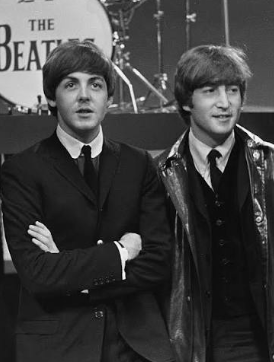
In 1971, John Lennon was navigating a turbulent period in his life. Following the breakup of The Beatles, he faced ongoing legal battles connected to the band's demise while trying to define his solo artistic path away from the legendary group. Amid this uncertainty, he sat down at his piano and composed a deceptively simple song called “Imagine.”
Rather than relying on fiery guitar work, intricate arrangements, or echoes of his former band, Lennon built the song around a gentle piano melody and thought-provoking questions. He invited his audience to picture a society free from borders, religious conflict, excessive possessions, and warfare. This grand vision was delivered through understated music, creating a striking contrast that defined the track's core power.
Lennon laid down the recording for “Imagine” on May 27, 1971, at Ascot Sound Studios, the recording space built on his Tittenhurst Park estate in England. The primary recording was tracked live with Lennon on piano and vocals, Klaus Voormann on bass, and Alan White on drums. Phil Spector joined Lennon and Yoko Ono in producing the sessions. Strings were added later in New York, though the addition preserved the song's sparse, personal atmosphere, keeping the impression of a lone musician at a keyboard.
The roots of the composition reached back to Ono as well. Her conceptual art book Grapefruit contained prompts focused on imagining various scenarios, a contribution Lennon readily admitted and honored. Today, the composition is officially credited to both John Lennon and Yoko Ono.
The full-length Imagine album dropped in the United States on September 9, 1971, before seeing a UK release on October 8. It became the biggest commercial success of Lennon's solo career, reaching number one on the charts in both countries. The title track dropped as a single in the U.S. that October, eventually transcending standard commercial metrics to achieve massive cultural status.
As the decades passed, “Imagine” evolved into an international anthem, heard at peace demonstrations, vigils, public ceremonies, and moments of shared grief. Yet the parent album was far more multifaceted than the peaceful reputation of its title track suggests. Songs like “Gimme Some Truth” attacked political dishonesty, “Jealous Guy” revealed Lennon's personal insecurities, and “How Do You Sleep?” laid bare the lingering bitterness from his split with Paul McCartney. The record also featured guest spots from pianist Nicky Hopkins and guitarist George Harrison.
Ultimately, the LP emerged not from absolute peace, but from an artist working through personal and professional chaos. That inner friction helps explain why the title track resonates so deeply: Lennon was not describing a world that already existed, but rather yearning for one.
Following his death in December 1980, the track took on an even deeper weight. Even though the artist was gone, the recording remained, handing future generations the same challenge to imagine a better world. More than fifty years later, as society continues to face the exact divisions Lennon sang about, the song endures—not because the world changed to fit his dream, but because the desire for peace refuses to fade.
More Stories You May Like
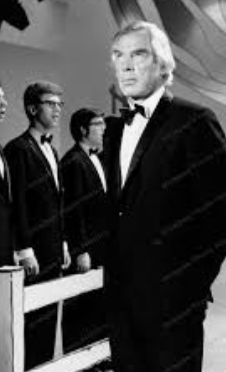
Lee Marvin Was an Oscar-Winning Actor, Not a Pop Singer — Then His One Hit Kept The Beatles From No. 1
When rough-hewn Hollywood tough guy Lee Marvin recorded a gravelly tune for the film adaptation of Paint...
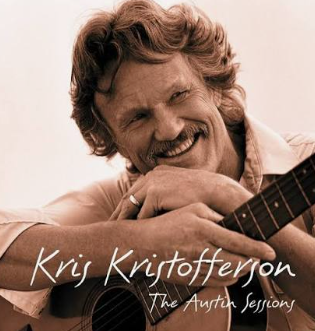
Kris Kristofferson and Rita Coolidge Fell in Love, Made Three Albums, Won Two Grammys — Then the Duet Ended Offstage Too
Merging Kris Kristofferson's weathered baritone with Rita Coolidge's warm, measured delivery, the famous...
Barbara Mandrell Retired From Music at 18 — One Night at the Grand Ole Opry Changed Her Mind
Before claiming the Country Music Association's highest honors and achieving superstardom, a young Barbar...
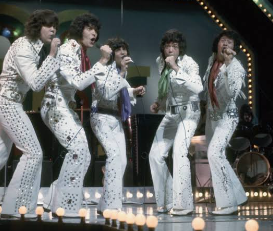
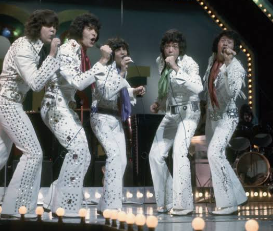
The Osmonds Had Been Singing Songs Chosen for Them — Then They Wrote a Hit of Their Own
Eager to break away from outside songwriters and a pre-packaged teen-idol image, the Osmond brothers seiz...
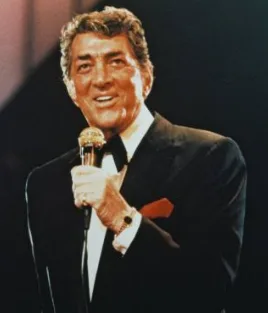
Dean Martin Didn’t Want a Weekly TV Show — So He Made Demands He Thought NBC Would Never Accept
Convinced that NBC would reject his outrageous demands, Dean Martin tried to sabotage negotiations for a...
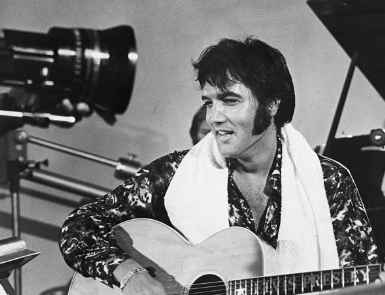
Paul McCartney Woke Up With a Melody He Thought Might Be Someone Else’s — Then It Became a No. 1 Classic
When Paul McCartney first heard the complete melody of 'Yesterday' in a morning dream, he spent weeks pla...
Dean Martin Didn’t Want a Weekly TV Show — So He Made Demands He Thought NBC Would Never Accept
When NBC approached Dean Martin about hosting a weekly variety hour in 1965, the singer tried to sabotage...
Why Old Family Recipes Carry More Than Flavor — They Carry the People We Remember
Stained index cards and flour-dusted notebook pages do more than preserve meal instructions; they act as...