The Osmonds Had Been Singing Songs Chosen for Them — Then They Wrote a Hit of Their Own
Eager to break away from outside songwriters and a pre-packaged teen-idol image, the Osmond brothers seized creative control on their 1971 album Phase III. Their self-penned lead single proved they were a legitimate self-contained rock band rather than just television variety performers.
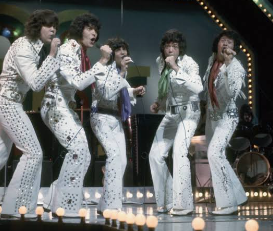
By the early 1970s, the Osmond brothers were household names in America, enjoying television fame, a massive following of dedicated teenagers, and gold records. Despite this massive success, the siblings wanted greater artistic direction over the music they recorded.
Years prior to the peak of the group's massive popularity, members Alan, Wayne, Merrill, and Jay started out performing together as a barbershop quartet in Utah. Their big break came when they were spotted and brought onto The Andy Williams Show in the 1960s, later bringing Donny into the group as viewers watched them mature on television.
By 1971, the group transitioned from clean-cut variety show performers to genuine pop stars following hits like "One Bad Apple" and "Yo-Yo," alongside Donny's rising solo career. Still, these songs had mostly been chosen by outside professionals. Relatives later noted a desire to write and play their own music, aiming to demonstrate that they functioned as an independent band rather than just singers relying on adult songwriters.
This artistic shift became apparent on the album Phase III, a name meant to represent a new chapter. The LP moved away from slick bubblegum pop and embraced a tougher mix of rock, soul, and pop styles, kickstarted by its opening track, "Down by the Lazy River."
Even with its laid-back title, the song packed a punch with piano, drums, guitars, handclaps, energetic shouted vocals, and a strong rhythm designed for concert audiences. Skipping external writers, Alan and Merrill Osmond received writing credit, and Alan co-produced the track alongside Michael Lloyd. This gave Alan, the eldest performing brother and leader of the group, a direct hand in molding their musical direction.
The track kept infectious pop hooks while adding a harder edge. Merrill supplied a forceful lead vocal supported by the siblings' precise vocal harmonies. The lyrics simply invited listeners to dance and leave their troubles behind, but the overall execution highlighted a young group finding its own formidable sound.
Released as a single in early 1972, "Down by the Lazy River" connected with listeners, peaking at No. 4 on the Billboard Hot 100, remaining in the Top 10 for multiple weeks, and landing at No. 36 on Billboard's year-end chart for 1972. Global success also followed, as the single claimed the No. 1 spot in Canada and the Netherlands, reached No. 40 in the UK, and picked up a U.S. Gold certification in March 1972.
Aside from commercial numbers, the single set the stage for their harder rock direction later that year with "Crazy Horses." Merrill pointed out that while record executives initially selected their tracks, winning creative freedom gave them the confidence to write their own songs, with Phase III and its lead single marking that vital turning point.
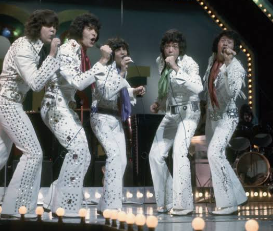
While memories of the Osmonds often center on Donny's solo output, teen publications, and the later television era of Donny & Marie, the brothers operated as a serious rock ensemble. Alan played rhythm guitar, Wayne performed on lead guitar, Merrill handled bass and lead vocals, Jay played the drums, and Donny played keyboards.
"Down by the Lazy River" stood right at that turning point, combining huge pop melodies with five brothers breaking free from a pre-packaged image to forge their own musical identity.
More Stories You May Like
Lee Marvin Was an Oscar-Winning Actor, Not a Pop Singer — Then His One Hit Kept The Beatles From No. 1
When rough-hewn Hollywood tough guy Lee Marvin recorded a gravelly tune for the film adaptation of Paint...
Kris Kristofferson and Rita Coolidge Fell in Love, Made Three Albums, Won Two Grammys — Then the Duet Ended Offstage Too
Merging Kris Kristofferson's weathered baritone with Rita Coolidge's warm, measured delivery, the famous...
Barbara Mandrell Retired From Music at 18 — One Night at the Grand Ole Opry Changed Her Mind
Before claiming the Country Music Association's highest honors and achieving superstardom, a young Barbar...
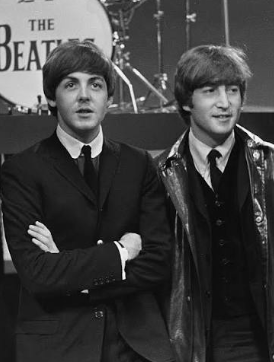
John Lennon Sat at a Piano and Asked the World to Imagine the Impossible — The Song Never Stopped Traveling
Amid the turbulence of the Beatles' bitter breakup and ongoing legal battles, John Lennon retreated to hi...
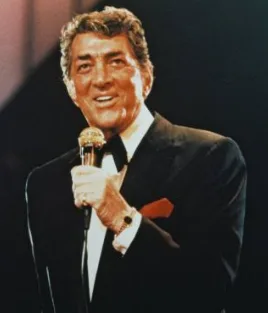
Dean Martin Didn’t Want a Weekly TV Show — So He Made Demands He Thought NBC Would Never Accept
Convinced that NBC would reject his outrageous demands, Dean Martin tried to sabotage negotiations for a...
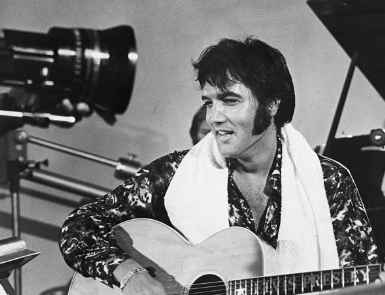
Paul McCartney Woke Up With a Melody He Thought Might Be Someone Else’s — Then It Became a No. 1 Classic
When Paul McCartney first heard the complete melody of 'Yesterday' in a morning dream, he spent weeks pla...
Dean Martin Didn’t Want a Weekly TV Show — So He Made Demands He Thought NBC Would Never Accept
When NBC approached Dean Martin about hosting a weekly variety hour in 1965, the singer tried to sabotage...
Why Old Family Recipes Carry More Than Flavor — They Carry the People We Remember
Stained index cards and flour-dusted notebook pages do more than preserve meal instructions; they act as...